Schizophrenia: How To Recognize Symptoms And Seek Treatment
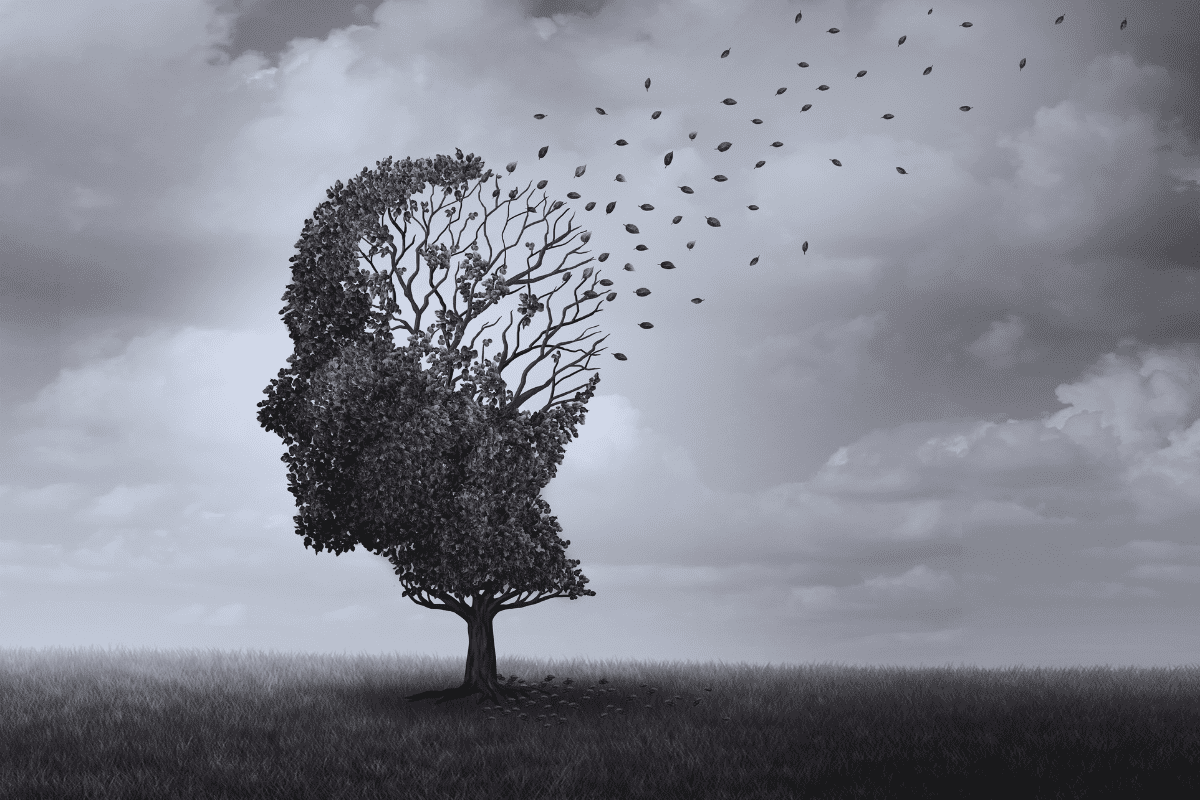
Schizophrenia is a chronic brain disorder characterized by disturbances in thought processes, perception, emotions, and behavior. It often results in difficulties distinguishing between what's real and what's not. The condition impacts about 1% of the US population and presents with a wide range of symptoms that can vary in severity and frequency.
If you're dealing with anxiety, depression, PTSD, or a treatment plan that just isn’t working — we solve with ketamine therapy and behavioral health care built around you.
Text (844) 909-4156 →Schizophrenia is often misunderstood and, as with many mental health disorders, there is considerable stigma surrounding the illness and its treatment. Please keep reading to learn more about schizophrenia, including up and coming therapies that may help achieve long-term relief of symptoms.
Symptoms of Schizophrenia
Schizophrenia manifests through a range of symptoms that can significantly impact daily life and relationships. These symptoms are categorized into positive and negative types and affect individuals differently.
Positive Symptoms of Schizophrenia
Positive symptoms are so-called because they are additions to typical mental functioning, often involving a distortion of reality.
- Hallucinations are one of the most common positive symptoms, with auditory hallucinations, such as hearing voices, being the most common. These voices may provide commentary, give commands, or engage in conversation with the individual.
- Delusions, which are strongly held false beliefs, may also be present. These delusions often involve paranoia or grandiosity, such as believing one is under surveillance or has special powers.
- Disorganized thinking, which makes it difficult for individuals to order their thoughts or communicate coherently. This might lead to speech that seems scattered or irrelevant to the topic.
- Abnormal motor behavior, such as unpredictable agitation, repetitive movements, or catatonia (state of immobility or unresponsiveness), can further disrupt daily life.
Negative Symptoms of Schizophrenia
Negative symptoms reflect a loss or reduction in normal emotional and behavioral functioning, often leading to social withdrawal and a diminished ability to engage in life's activities. Negative symptoms include:
- Reduced emotional expressions even in situations that typically bring out strong reactions.
- The inability to experience pleasure makes it challenging to find joy in previously enjoyable activities.
- Self-isolation due to a lack of interest in or discomfort with social interactions.
- Reduced motivation can make it difficult to initiate or complete everyday tasks, such as personal hygiene or work responsibilities.
Is Schizophrenia Genetic?
Genetics plays a significant role in the development of schizophrenia. While no single gene causes the disorder, a combination of genetic mutations increases susceptibility. Having a first-degree relative with schizophrenia raises the risk, but environmental triggers such as prenatal infections and substance abuse also contribute.
When Does Schizophrenia Develop?
Schizophrenia is typically diagnosed in the late teens to early thirties but can develop at any life stage. It usually emerges in men sooner than women. Many family members report early warning signs of the disease prior to its official diagnosis. This is known as the “prodromal phase,” and it occurs shortly before a full blown psychotic episode.
Schizophrenia Prodromal Phase Symptoms
Prodromal symptoms may include mild hallucinations or other “dulled down” symptoms of schizophrenia, but they can also include more subtle behaviors, including:
- Social Withdrawal
- Loss of interest in social activities or relationships.
- Increased isolation or preference to be alone.
- Changes in Thinking and Perception
- Difficulty concentrating or focusing.
- Emotional Changes
- Blunted or inappropriate emotional expressions.
- Heightened sensitivity to criticism or perceived slights.
- Unexplained mood swings or a flat affect (lack of emotional expression).
- Decline in Functionality
- Poor academic or work performance.
- Neglecting personal hygiene or appearance.
- Difficulty completing daily tasks or responsibilities.
- Behavioral Changes
- Acting oddly without clear explanation.
- Increased agitation or irritability.
- Sleep and Appetite Disturbances
- Changes in sleep patterns, such as insomnia or excessive sleeping.
- Loss of appetite or significant changes in eating habits.
- Physical Complaints
- Unexplained aches, pains, or fatigue.
- Increased sensitivity to sounds, lights, or textures.
- Pre-Hallucinations or Delusions
- Hearing faint, indistinct voices or sounds.
- Developing odd beliefs or misinterpreting events (e.g., seeing hidden messages in everyday occurrences).
Schizophrenia vs Schizoaffective Disorder
Schizophrenia and schizoaffective disorder are often used interchangeably, but they are not the same thing. Schizophrenia is predominantly characterized by the symptoms outlined above (hallucinations, paranoia, self-isolation, etc.)
A person with schizoaffective disorder presents with all of the symptoms necessary for a diagnosis of schizophrenia, but with additional symptoms of a mood disorder as well. For example, symptoms of bipolar disorder (mania and/or severe bouts of depression) may also exist alongside the schizophrenia symptoms.
Because of the additional symptoms, treatment for schizoaffective disorder will be different than that of schizophrenia. Both will involve a combination of psychotherapy and medication (see more below), but schizoaffective disorder will also incorporate mood stabilizers and diagnosis-specific counseling.
How Is Schizophrenia Diagnosed?
Diagnosing schizophrenia involves a comprehensive evaluation to differentiate it from other mental health disorders or medical conditions that might cause similar symptoms. To rule out schizophrenia:
- A doctor will review the individual's medical and family history. This will include checking past mental health issues, substance use, and genetic predisposition to schizophrenia or related disorders.
- A mental health professional will assess the individual's symptoms, thought patterns, emotional responses, and behavior.
- A physical exam like blood tests and brain imaging from an MRI or CT scan may be performed to exclude the possibilities of neurological disorders, infections, or the effects of drug use.
Can Schizophrenia Be Cured?
While there's no cure for schizophrenia, there are effective treatments that can help manage symptoms and improve quality of life. Early intervention often leads to better outcomes.
How Is Schizophrenia Treated?
Treatment typically involves a combination of:
- Antipsychotics can help reduce psychotic symptoms like hallucinations and delusions.
- Cognitive behavioral therapy can help manage symptoms and develop coping strategies.
- Family therapy so your family is educated in creating a supportive environment.
- Joining peer groups and community programs that can enhance recovery.
- Stress management techniques like mindfulness can help recognize and reduce triggers.
Complementary or Alternative Therapies For Schizophrenia
Recently CBD has emerged as a potential adjunct therapy for treating schizophrenia, particularly for positive symptoms. While THC has been shown to trigger or worsen psychosis, CBD appears to have a counteractive and even beneficial effect. The reasons for this are not yet fully understood, but it is thought that CBD may act upon regions of the brain important in the pathophysiology of schizophrenia (such as the hippocampus).
Mental Health Services Destin
If you or someone you know is struggling with symptoms of a mental health disorder, early intervention can make all the difference in achieving long-term relief. The Crane Center is a top psychiatric facility in Destin and Panama City Beach. We offer compassionate care tailored to your needs, and incorporate both traditional and alternative therapies to achieve lasting results. Contact our office today to get started.