The Importance Of Managing High Blood Pressure
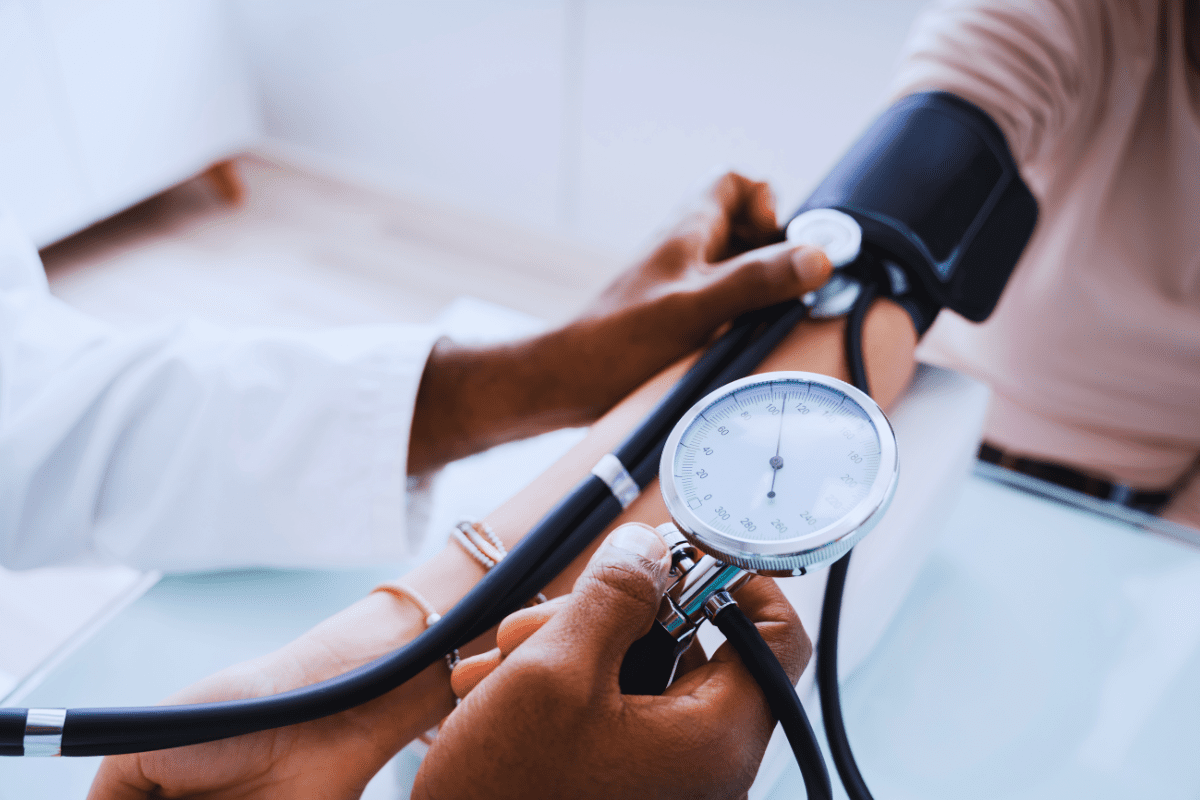
Nearly half of all adult Americans have high blood pressure. Keep in mind, this is only the number that have been formally diagnosed. The actual number may be much higher. High blood pressure often presents with no symptoms, which means it is often detected incidentally during a routine screening. This is why regular health check ups are incredibly important, especially if you have known risk factors. But what are those risk factors? And is high blood pressure always asymptomatic? We’ve put together a guide to answer common questions regarding high blood pressure and why it is important to manage it as soon as possible.
If you're dealing with rushed appointments and a doctor who never has time for your real questions — we solve with concierge primary care with Dr. Tuel, built on actual access.
Text (844) 909-4156 →What Does High Blood Pressure Even Mean?
High blood pressure, also known as hypertension, is a condition where the force of the blood against the walls of your arteries is consistently too high. Blood pressure is measured in two numbers:
- Systolic pressure (the top number) — This is the pressure in your arteries when your heart beats and pumps out blood.
- Diastolic pressure (the bottom number) — This is the pressure in your arteries when your heart rests between beats.
Blood pressure is typically expressed as a fraction, for example, 120/80 mmHg (millimeters of mercury), where 120 is the systolic and 80 is the diastolic pressure.
Blood Pressure Categories:
- Normal: Less than 120/80 mmHg
- Elevated: Systolic between 120–129 mmHg, and diastolic less than 80 mmHg
- Hypertension Stage 1: Systolic between 130–139 mmHg, or diastolic between 80–89 mmHg
- Hypertension Stage 2: Systolic at least 140 mmHg, or diastolic at least 90 mmHg
- Hypertensive Crisis: Systolic over 180 mmHg and/or diastolic over 120 mmHg (this is a medical emergency)
Why High Blood Pressure Matters:
Over time, high blood pressure can damage your blood vessels and organs, increasing your risk of serious health problems, including:
- Heart disease: The heart has to work harder to pump blood, which can lead to heart failure or heart attack.
- Stroke: High blood pressure is a leading cause of stroke because it can weaken blood vessels in the brain.
- Kidney damage: It can affect the kidneys, leading to chronic kidney disease or kidney failure.
- Vision loss: Hypertension can damage blood vessels in the eyes, leading to vision problems or blindness (more on that below).
Common Causes Of Hypertension
High blood pressure (hypertension) can be caused by a variety of factors, some of which are controllable while others are not. The most common causes include:
- Genetics: Family history plays a significant role. If your parents or other close relatives have high blood pressure, you may be at a higher risk.
- Age: Blood pressure tends to rise with age. As you get older, your blood vessels lose some of their elasticity, which can increase blood pressure.
- Obesity: Excess weight, particularly around the abdomen, is linked to higher blood pressure. The more you weigh, the more blood your heart needs to pump to supply oxygen and nutrients to your body, which increases the pressure on your arteries.
- Physical Inactivity: Lack of exercise can contribute to weight gain and also causes the heart to work harder to pump blood, leading to higher blood pressure.
- Diet: A diet high in sodium (salt) and low in potassium can contribute to high blood pressure. Consuming too much alcohol or caffeine can also raise your blood pressure.
- Smoking: Smoking raises blood pressure temporarily, and the chemicals in tobacco can damage the lining of your blood vessels, leading to narrower arteries and higher blood pressure over time.
- Chronic Kidney Disease: Kidneys help regulate blood pressure by balancing fluids and salt. When kidney function declines, it can lead to an increase in blood pressure.
- Sleep Apnea: People with sleep apnea, a condition where breathing stops and starts during sleep, often have high blood pressure.
- Hormonal Changes: Conditions such as thyroid problems, adrenal gland tumors, or hormonal changes during pregnancy (like preeclampsia) can lead to increased blood pressure.
- Medications: Some prescription and over-the-counter medications, including pain relievers (NSAIDs), certain decongestants, and oral contraceptives, can raise blood pressure.
Can Anxiety Cause High Blood Pressure?
Yes, anxiety can cause a temporary increase in blood pressure. When you're anxious, your body goes into "fight or flight" mode, releasing stress hormones like adrenaline. This increases heart rate and can narrow blood vessels, leading to a temporary spike in blood pressure. Chronic anxiety can contribute to long-term hypertension if not managed, especially if it leads to unhealthy habits like poor diet, alcohol consumption, or lack of exercise.
Can Pain Cause High Blood Pressure?
Yes, pain can cause high blood pressure, as the body’s natural response to pain is to release stress hormones (like adrenaline) that cause your heart rate and blood pressure to rise. Intense, ongoing pain, such as from conditions like arthritis or chronic back pain, can result in sustained elevated blood pressure. This is why managing chronic pain effectively is important in preventing long-term hypertension.
Can Dehydration Cause High Blood Pressure?
Dehydration can lead to high blood pressure indirectly. When your body is dehydrated, it tries to conserve water, which can cause your blood volume to decrease. To compensate for this, the body can constrict blood vessels, raising blood pressure in an attempt to maintain blood flow and oxygen supply to vital organs. Additionally, dehydration can trigger the release of an antidiuretic hormone called vasopressin. This hormone causes blood vessels to constrict in order to conserve water. The result is a temporary spike in blood pressure.
Does Stress Cause High Blood Pressure?
Yes, chronic stress can contribute to hypertension. When you're stressed, your body releases stress hormones (like cortisol) that increase heart rate and constrict blood vessels, both of which raise blood pressure. Over time, frequent or chronic stress can lead to sustained hypertension, especially if it leads to unhealthy coping mechanisms like overeating, smoking, or drinking alcohol.
What Are The Symptoms Of High Blood Pressure?
High blood pressure is often referred to as a "silent killer" because it typically does not present noticeable symptoms, especially in the early stages. Many people with high blood pressure may not experience any symptoms at all, which is why regular health screenings are essential to detect the condition.
However, in some cases, physical symptoms may be present. We’ll answer some of the questions we get most frequently regarding blood pressure and some lesser known symptoms associated with it.
Can High Blood Pressure Cause Dizziness?
Yes, high blood pressure can cause dizziness, although it’s more common in people who have very high blood pressure (hypertensive crisis). This happens because hypertension can reduce blood flow to the brain, causing symptoms like dizziness, lightheadedness, or even fainting. Additionally, if high blood pressure causes damage to the blood vessels in the brain, it can contribute to dizziness or other neurological symptoms.
Does High Blood Pressure Cause A Headache?
Yes, high blood pressure can cause headaches, especially if it’s severe or poorly controlled. The headaches are typically a result of increased pressure in the brain's blood vessels. These are often described as throbbing and can be associated with other symptoms, like nausea. It's important to note that not everyone with hypertension experiences headaches, but when they occur, they may indicate that blood pressure is too high.
Does High Blood Pressure Cause Fatigue?
Yes. When blood pressure is high, the heart has to work harder to pump blood throughout the body. Over time, this increased workload can lead to heart fatigue or heart failure, which may cause you to feel more tired or fatigued than usual.
Tiredness related to hypertension may also be related to a comorbid condition, such as sleep apnea, or the medications used to treat hypertension. Beta blockers, for example, are known to cause drowsiness as a side effect.
Can High Blood Pressure Cause Blurry Vision?
Again, yes. Hypertension can cause damage to the tiny blood vessels in the retina (the light-sensitive tissue at the back of the eye). This is known as hypertensive retinopathy. Over time, high blood pressure can lead to narrowing or thickening of the blood vessels in the retina, which reduces the amount of oxygen and nutrients reaching the retinal cells.
In some cases, high blood pressure can cause fluid to leak into the macula (the central part of the retina), leading to macular edema. This swelling of the macula can cause blurry vision or distortion of images, as the macula is responsible for sharp, central vision.
Destin Primary Care
Early intervention is critical in avoiding serious outcomes related to hypertension. That is why regular screenings are so important. They not only check for the presence of high blood pressure, but other common and treatable conditions, like diabetes mellitus.
In Destin, The Crane Center offers comprehensive health screenings using the concierge model of medicine. This model means we are able to get patients in much more quickly and spend more time with them once they are here. Our board-certified family physician offers advanced screenings for cholesterol, high blood pressure, thyroid health, diabetes, and more to ensure any issues can be promptly addressed for optimal health. If you are due for your annual exam and don’t want to wait a month or more to be seen, trust our Destin family doctor to help. Text us today to book an appointment–we can often get you in on that same day!