How To Be Supportive During Transgender Awareness Week
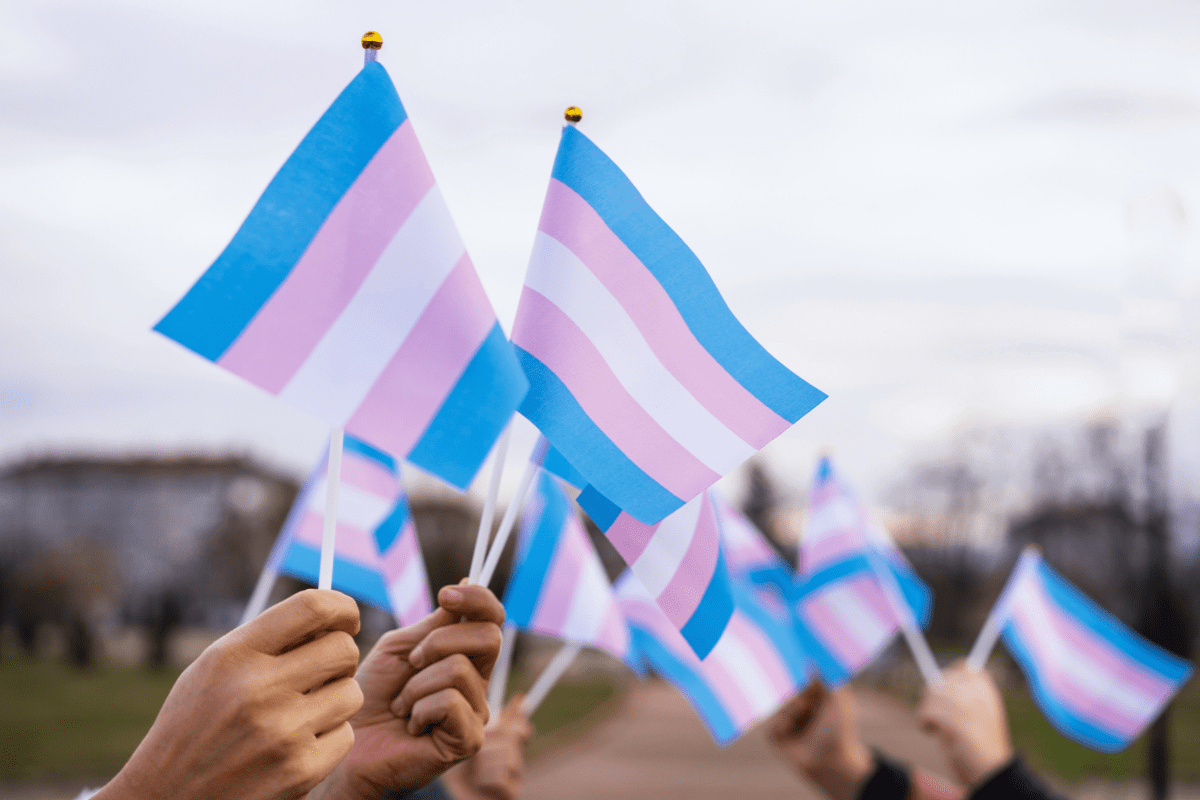
Transgender Awareness Week is observed from November 13 to 19. It’s a time dedicated to raising the visibility of transgender and gender non-conforming people and addressing issues the community faces. At The Crane Center, we recognize the importance of awareness, education, and mental health support for the transgender community and the important role that inclusive therapy plays.
If you're dealing with anxiety, depression, PTSD, or a treatment plan that just isn’t working — we solve with ketamine therapy and behavioral health care built around you.
Text (844) 909-4156 →What Does It Mean to Be Transgender?
A transgender person is someone whose gender identity differs from the sex they were assigned at birth. The prefix itself, “trans,” means “across” or “beyond.” A trans person’s gender, therefore, is across, or opposite, of what they were assigned. A trans woman was assigned male at birth, and a trans man was assigned female at birth.
By contrast, cisgender refers to people whose gender identity aligns with their assigned sex at birth. (“Cis” means “on the same side as.”) A cis woman was assigned female at birth, and a cis man was assigned male.
What Is the Purpose of Transgender Awareness Week?
The goal of Transgender Awareness Week is to educate the public about who transgender people are, share stories and experiences, and encourage actions that support the community. This week leads up to the Transgender Day of Remembrance (November 20), which honors the memory of transgender individuals who have lost their lives due to violence.
When Is Transgender Awareness Week?
Transgender Awareness Week takes place annually from November 13 to November 19. This week serves as a reminder to foster an inclusive environment and promote understanding that goes beyond the seven days it encompasses.
Mental Health Issues Highlighted by Transgender Awareness Week
Gender dysphoria is a condition that affects many, but not all, trans people. Those with gender dysphoria can experience significant discomfort or distress because their gender identity—their innate sense of their own gender—does not align with the sex they were assigned at birth. This misalignment can lead to feelings of anxiety, depression, and social isolation, impacting an individual's mental and emotional well-being.
Transgender individuals often face additional mental health challenges stemming from societal stigma, discrimination, and lack of acceptance. These experiences can contribute to high levels of anxiety, depression, and other mental health conditions. The focus on mental health during Transgender Awareness Week sheds light on the need for inclusive and understanding mental health care.
Is the Trans Suicide Rate Higher?
One of the most pressing concerns highlighted during Trans Awareness Week is the trans suicide rate. Studies show that transgender and gender non-conforming people face disproportionately high rates of suicidal thoughts and attempts. According to The Trevor Project, around 41% of transgender and non-binary youth have seriously considered suicide, a rate significantly higher than their cisgender peers.
The higher rate of suicidal ideation has been attributed, in part, to the high violence rate among trans people. Shockingly, trans men and women are up to four times more likely to experience sexual assault, aggravated assault, rape, and other forms of violent victimization that cis people. Furthermore, trans people, especially black trans women, are at an increased risk of homicide. A report by Congress found that the murder rate of trans people nearly doubled between 2017 and 2021.
These statistics underscore an urgent need for compassionate mental health support and societal change.
How Can You Participate in Transgender Awareness Week?
Supporting the trans community involves understanding, allyship, and actions that help foster inclusivity, respect, and safety. Here are some ways to show meaningful support:
1. Educate Yourself
- Learn about gender identity, gender dysphoria, and the challenges faced by trans people. Understanding key terms and issues is very important for respectful communication and allyship.
- Listen to trans voices by reading articles, watching documentaries, and following reputable organizations (like the Trevor Project and GLAAD).
2. Use Inclusive Language and Pronouns
- Respect people's chosen names and pronouns. If you’re unsure, ask politely and make an effort to remember. Misgendering, even unintentionally, can be harmful.
- Correct others (politely) if they misgender someone, and apologize sincerely if you make a mistake.
3. Support Trans Rights and Policies
- Advocate for inclusive policies at work, school, and in the community, such as gender-neutral bathrooms and anti-discrimination protections.
- Support political candidates and initiatives that work toward equality and protections for trans people.
4. Challenge Transphobia
- Speak up against transphobic remarks, jokes, or behaviors. Being an ally means actively challenging discrimination and stereotypes, even if it feels uncomfortable.
- Educate friends, family, and coworkers if they hold misconceptions about trans people. Sometimes, people aren't even aware that their views are harmful or offensive.
5. Support Trans-Led Organizations
- Donate to or volunteer with organizations that advocate for the trans community, especially those that provide mental health services, housing, and other support.
- Trans-led organizations like Trans Lifeline, the Advocates For Trans Equality, and the Sylvia Rivera Law Project work directly with the community, and you can donate through their online portals.
6. Promote Inclusive Spaces
- Encourage and create environments where trans people feel safe and included, whether in social, workplace, or community settings.
- Look for ways to make social spaces more inclusive, such as by offering gender-neutral restrooms and respecting privacy regarding gender history.
7. Listen and Learn from Trans People
- Offer support without trying to “speak for” trans individuals or assume their experiences. Listening to trans voices can give insight into the unique challenges they face.
- Be mindful not to tokenize trans people or ask overly personal questions about their identities or bodies.
8. Advocate for Trans Health Care Access
- Trans individuals face significant barriers to accessing healthcare, including gender-affirming treatments and mental health services. Supporting initiatives and legislation that improve healthcare access for the trans community can make a lasting impact.
These are steps we encourage you to take not just during Transgender Awareness Week, but year-round. Supporting the trans community requires ongoing commitment and empathy, as well as a willingness to reflect on and adapt your actions. Small gestures and a respectful attitude go a long way toward creating a more inclusive and compassionate world.
Inclusive Therapist in Destin
Transgender Awareness Week is an important time for reflection, education, and action. By acknowledging the obstacles faced by transgender individuals and promoting support and understanding, we can contribute to a world where all people, regardless of gender identity, are valued and accepted.
At The Crane Center, we want every one of our patients to feel they are in a space that prioritizes safety and affirmation. As inclusive medical professionals, we continue to educate ourselves on the unique challenges faced by the transgender and non-binary community and have many resources available for those in need. If you or someone you know is struggling with a mental health issue, please contact us today to schedule an appointment.