What’s Filler Migration and How Can You Avoid It?
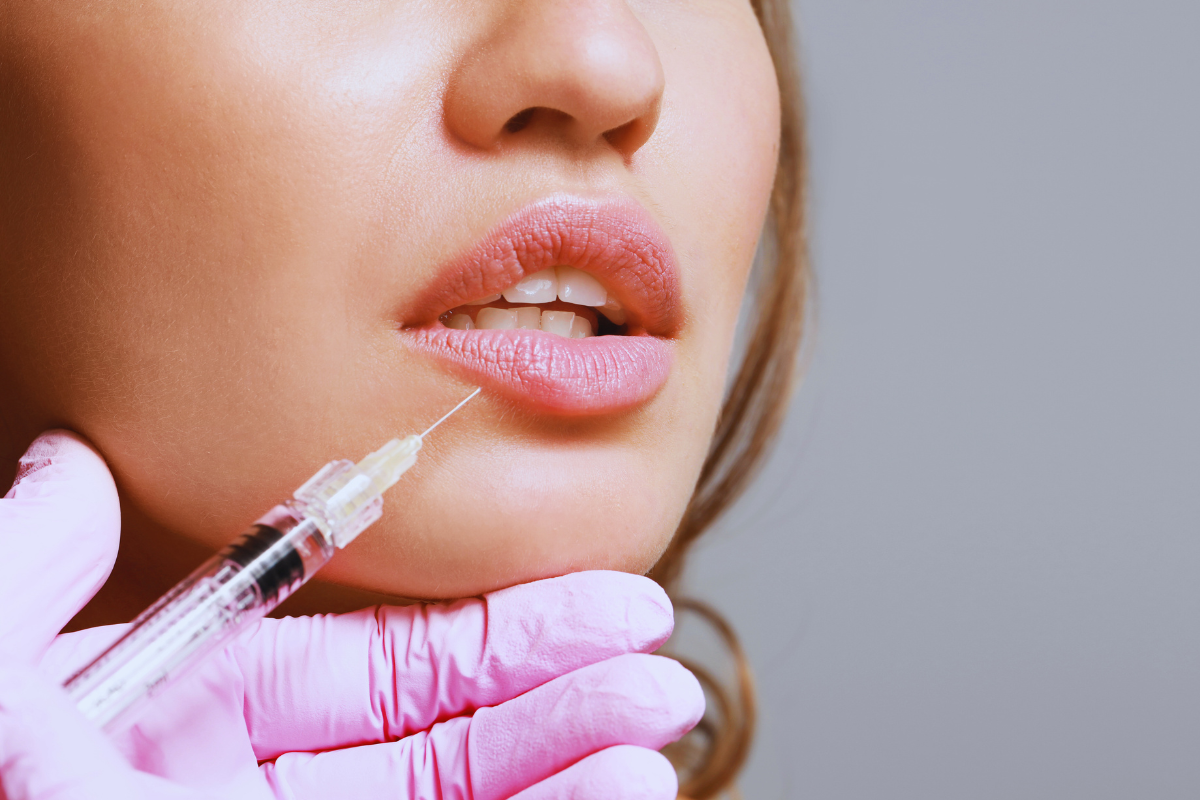
Dermal fillers can be a wonderful way to enhance your natural features and boost self-confidence. But when filler is improperly placed, overused, or not properly cared for, something called “filler migration” can occur. The most important means of preventing filler migration is by ensuring you have booked with a skilled provider, but there are a couple other steps you can take to help avoid migration and prolong your results.
If you're dealing with hormone changes, or you're just ready for a refresh — we solve with a women's aesthetics team that listens before it treats.
Text (844) 909-4156 →What, Exactly, Is Meant By Filler Migration?
Filler migration happens when injectable filler moves away from the original placement site into surrounding tissue. Instead of staying where it was injected, the product spreads, often subtly at first, and can create puffiness, distortion, lumps, or an otherwise unnatural appearance.
What Causes Filler Migration?
Migration usually isn’t random; it’s typically the result of injector error or aftercare issues. The most common causes include:
- Overfilling the lips beyond what the tissue can support
- Poor injection technique
- Using the wrong type of filler for the area
- Injecting too frequently without allowing time for integration
- High movement areas like the mouth naturally encouraging spread
- Applying pressure too soon after treatment
Over time, repeatedly adding filler without dissolving or reassessing structure can increase the likelihood of migration.
What Are Some Common Areas That Experience Filler Migration?
Lips are one of the most common areas. You may have heard the phrase “filler mustache” or even experienced it yourself. This phenomenon occurs when filler migrates outside the lips into the filtrum, which creates a puffy area above the lip line; the protrusion can be slightly shadowed, which gives it the appearance of a pencil mustache.
Although any area can experience filler migration, those with higher mobility and/or thinner skin will be more prone to migration. In addition to the lips, other areas that are more susceptible to filler migration include under the eyes/tear troughs and the nasolabial folds.

Can You Prevent Filler Migration?
Lip filler migration isn’t entirely preventable, but you can reduce the risks that lead to migration.
- Most important of all: choose only a qualified, experienced provider. Injector skill is the #1 factor in preventing migration. Knowledge of anatomy, proper placement depth, and a conservative technique greatly reduce the likelihood of any unwanted outcomes.
- Don’t overfill: more is not always better. Gradual enhancement allows the tissue to support filler naturally. Your provider can do an assessment of your facial features and guide you on the appropriate volume to achieve your desired look and avoid problems that can arise from over-filling.
- Choose the right product: discuss the different types of filler including the different risks and benefits of them.
- Follow filler aftercare: what you do after your appointment plays a significant role in keeping filler where it belongs. Ask your provider if you have any questions about restrictions and aftercare.
Filler Aftercare Guidelines
Proper aftercare minimizes the likelihood of migration and will also help reduce swelling and bruising. Here are some general guidelines to follow:
Swelling & Bruising
Immediately after your filler, you may experience some tenderness and swelling. This can last for several days. For the first 12 hours, you can apply a cold pack to the area for ten minutes maximum every hour as needed for swelling. Take Tylenol for pain, but avoid ibuprofen, aspirin, and other drugs labeled “NSAIDs,” as these can increase the likelihood of bruising. If bruising does occur, arnica gel may be applied in a thin layer to speed healing.
Skincare
Do not use any skincare products, including face wash, moisturizer, and makeup for the rest of the day following your appointment. You can use these the following day, but avoid excessive heat and scrubbing.
Exercise
Light exercise is fine immediately following your procedure, but avoid anything strenuous for 2-3 days.
Sleeping
Try not to sleep on your side or stomach for the first 24 hours. Ideally, sleep on your back with your head in an elevated position. This will help the product disperse evenly and reduce swelling more quickly.
Additional Treatments
Wait at least four weeks before any further facial treatments, such as laser or chemical peels
What Are Some Signs Filler Has Migrated?
Migration doesn’t always happen quickly. Oftentimes it develops slowly over the course of weeks or even months after the procedure. Watch for:
- A “shelf” above the lip line (the lip filler mustache we talked about)
- Blurred lip borders
- A puffy ridge or line above the upper lip
- Lips looking wider instead of fuller
- Uneven texture or firmness in the area
- Asymmetry
- Bumps or irregularities outside the injection area
How Is Filler Migration Treated?
Treatment depends on severity and the type of filler used, but most cases can be corrected. Options may include:
- Dissolving migrated filler with a hyaluronidase injection (as long as it’s hyaluronic acid-based).
- Massaging the area with medical supervision (this can help with mild lumps).
- Waiting it out: hyaluronic acid-based fillers and Radiesse fade naturally, but it can take a year or more.
Correction should always be done conservatively and by an experienced medical professional.
Fillers In Destin, FL
If you’re considering lip enhancement or want to correct existing filler concerns, expert technique makes all the difference. At The Crane Center, our injectors help you achieve natural-looking results through tailor-designed treatment plans and a meticulous approach. Contact us today to schedule your consultation and experience the best fillers in Destin.